5 Signs of Heat Stress in Pets During Florida’s May Heat
5 Signs of Heat Stress in Pets During Florida’s May Heat
As the days grow longer and temperatures rise across Winter Garden and surrounding communities, pet owners face new challenges in keeping their furry family members safe and comfortable. The Florida heat can quickly become dangerous for dogs and cats, especially during the hot spells that often arrive in May. At Graceful Paws Pet Clinic, located at 1218 Winter Garden Vineland Rd, Ste 116, Winter Garden, FL 34787, our veterinary team frequently sees pets suffering from heat stress and heat-related emergencies during this time of year.
In this blog, we’ll help you recognize the five key signs of heat stress in dogs and cats, explain why pets are so vulnerable to the heat, offer practical tips for prevention, and guide you on when to seek professional veterinary care. Whether you have an energetic pup who loves outdoor play or a cat who enjoys sunbathing by the window, this guide will equip you to protect your companion from the serious risks of overheating. We’ll also highlight how our team can support you with wellness examinations and urgent care if your pet ever shows concerning symptoms.
Recognizing the Signs: How to Tell If Your Pet Is Suffering From Heat Stress
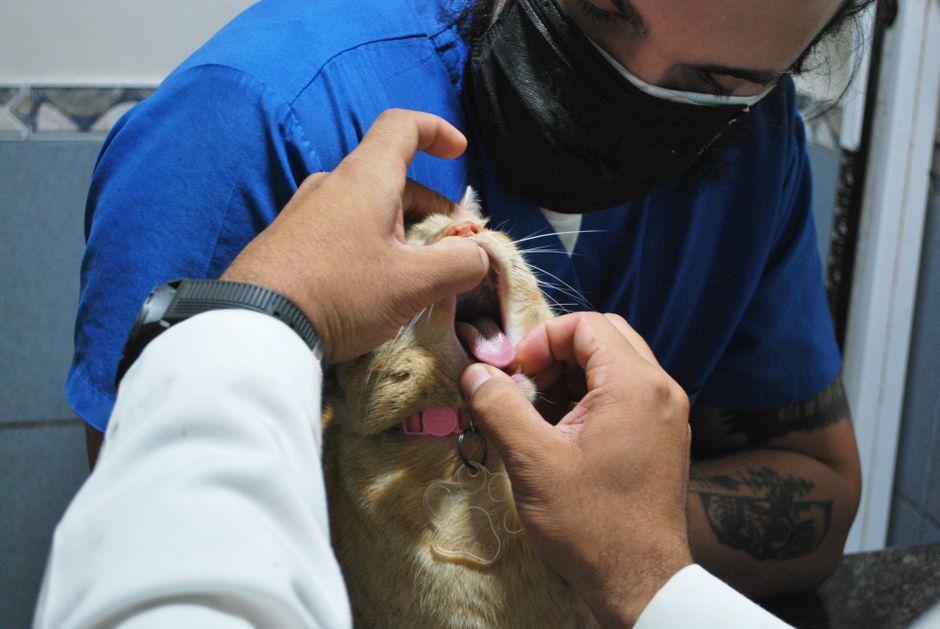
Heat stress can affect both dogs and cats quickly, often before their owners realize there’s a problem. Recognizing the early warning signs is crucial, as prompt action can prevent life-threatening complications. Symptoms of heat stress in pets include excessive panting in dogs or open-mouth breathing in cats, which is often one of the first visible clues. You may also notice your pet drooling more than usual, appearing restless, or seeking out cool surfaces to lie on. Other common signs are red or pale gums, rapid heart rate, weakness or staggering, vomiting, and even collapse. In severe cases, pets may experience seizures or lose consciousness.
A typical scenario might involve a dog becoming lethargic and unsteady after an afternoon walk, or a cat panting and drooling after spending time in a sun-filled room. These changes can develop rapidly, so it’s important to monitor your pet closely during hot weather and act quickly if you see any unusual behaviors or physical changes.
Why Heat Stress Happens: Understanding Your Pet’s Unique Risks
Unlike humans, pets cannot cool down efficiently by sweating. Dogs primarily regulate their body temperature through panting, while cats may lick their fur to promote evaporative cooling. However, these methods are limited, especially in Florida’s humid climate, where evaporation from panting is less effective. Certain pets are at higher risk, including brachycephalic breeds like Bulldogs and Persians, older animals, puppies and kittens, overweight pets, and those with chronic health conditions.
Environmental factors play a significant role, too. High humidity, lack of shade, insufficient water, and being confined to poorly ventilated areas such as cars or garages all increase the risk of heat stress. Even brief exposure to extreme heat can lead to rapid overheating, particularly for pets who are left outside during the hottest part of the day or exercised too vigorously.
Treatment and Management: How Veterinarians Help Overheated Pets
If you suspect your pet is experiencing heat stress, immediate intervention is vital. The first step at home is to move your pet to a cool, shaded area, offer fresh water, and use cool (not cold) damp towels on their body to help lower their temperature. However, these measures are only the beginning; professional veterinary care is often needed to address the underlying complications of heat stress.
At Graceful Paws Pet Clinic, our veterinary team is equipped to provide advanced care for pets suffering from heat-related emergencies. Treatment approaches involve careful cooling using temperature-controlled techniques, intravenous fluids to address dehydration and support organ function, and monitoring for complications such as shock or organ damage. For pets with respiratory distress, we may use specialized care options like our oxygen kennel service to support breathing while the body recovers. Bloodwork and other diagnostics may be necessary to assess for internal effects, such as kidney or liver injury, that are not immediately visible.
Our veterinarians understand that every case is unique; we tailor our treatment plans to your pet’s specific needs, providing compassionate support throughout their recovery.
Prevention and Home Care: Keeping Your Pet Cool and Safe in May
Prevention is always more effective than treatment, and there are many ways you can help protect your dog or cat from heat stress during Florida’s warm May weather. Ensure your pet always has access to fresh, clean water and shade, whether indoors or outside. Limit outdoor activities to the early morning or evening hours when temperatures are lower, and never leave your pet in a parked car, even for a few minutes.
Monitor the surfaces your pet walks on, as hot pavement can burn sensitive paws. At home, provide cool resting spots, use fans or air conditioning when possible, and consider cooling mats or wet towels for additional comfort. For pets with thick coats, regular grooming can help improve heat dissipation. Adjust exercise routines to suit your pet’s tolerance and the day’s conditions, and always watch for early signs of overheating.
Scheduling regular wellness examinations with our veterinary professionals can also help identify any health concerns that might increase your pet’s risk of heat stress. Our team can offer personalized advice on summer safety tailored to your pet’s age, breed, and lifestyle.
When to Seek Veterinary Care: Knowing When It’s an Emergency
Heat stress can escalate into a life-threatening emergency within minutes, particularly in Florida’s climate. You should seek immediate veterinary attention if your dog or cat is panting excessively, drooling, vomiting, staggering, or collapsing. Other warning signs that require urgent care include seizures, loss of consciousness, or persistent refusal to drink water.
If you are ever unsure about your pet’s symptoms, it is always safer to err on the side of caution and contact your veterinarian promptly. Our veterinary team offers same-day sick appointments to address urgent health concerns and provide guidance on what to do next. Quick action can make all the difference in preventing serious complications from heat stress.
Protecting Your Pet Year-Round: Commitment to Wellness in Winter Garden
Florida’s May heat brings special challenges for pet owners, but with vigilance and the right support, you can help your dog or cat stay happy and healthy all season long. Remember, the five key signs of heat stress to watch for are excessive panting or open-mouth breathing, drooling, weakness or collapse, red or pale gums, and vomiting or seizures. Taking steps to prevent overheating, such as providing shade and water, limiting outdoor activity, and seeking regular veterinary care, can greatly reduce your pet’s risk.
If you notice any signs of heat stress or have concerns about your pet’s health during the warmer months, don’t hesitate to contact our compassionate team at Graceful Paws Pet Clinic. We are proud to serve Winter Garden and surrounding communities, offering comprehensive care and expert guidance for all your pet’s needs. To schedule an appointment or ask a question, call us at (407) 554-2022 or visit our clinic location. When searching for a veterinarian near me, trust our veterinary professionals to help your pet thrive in every season.
For more information on preventive pet care and summer safety, schedule your next wellness exam or reach out for a same-day sick appointment. Your pet’s comfort and health are always our top priorities.
This blog is intended for informational purposes only and should not replace professional veterinary advice. If you believe your pet may be experiencing a medical emergency, contact your veterinarian or an emergency animal hospital immediately.