How To Prevent Summer Skin Problems in Florida Pets
How To Prevent Summer Skin Problems in Florida Pets
As summer arrives in Florida, many pet owners notice their dogs and cats start scratching more, develop red skin, or even battle painful hot spots. If you’re worried about your pet’s comfort as the humidity climbs in Winter Garden, you’re not alone. At Graceful Paws Pet Clinic, we see a rise in skin concerns every May as warmer weather and frequent rain create the perfect storm for itchy, irritated skin. In this guide, our veterinary team will explain why Florida pets are prone to summer skin problems, how you can spot early warning signs, and what steps you can take to keep your cat or dog healthy all season long. We’ll also share how the Graceful Paws team in Winter Garden, FL can help—from advanced dermatology services to preventive wellness care. If you’re searching for answers about your pet’s summer skin woes, you’re in the right place.
Recognizing Summer Skin Problems in Dogs and Cats
Noticing your pet scratching more than usual or licking a particular spot on their body? These behaviors often signal the start of a skin issue, which can become much worse in Florida’s warm, moist climate. Common signs of skin problems in pets include frequent scratching, biting, or licking at the skin; redness; hair loss; the appearance of sores or hot spots; and, in some cases, a musty odor coming from the skin or ears. Pets may also act restless, seem uncomfortable lying down, or shy away from being petted in certain areas. Some cats will groom excessively, leading to bald patches, while dogs may develop raised, moist lesions that indicate a hot spot. If you spot any of these symptoms on your pet, it’s important to take them seriously, as early intervention can prevent more severe infections or discomfort.
Understanding Why Florida Pets Develop Skin Issues in Summer
Florida’s hot, humid climate creates ideal conditions for a variety of skin problems in pets. High temperatures make your dog or cat more likely to overheat, sweat, and seek shady, damp spots—environments where bacteria and yeast thrive. Humidity prolongs moisture on the skin, especially in thick-coated breeds or those who swim frequently. This moisture can weaken the skin’s natural barrier, making it easier for allergens, parasites, and infections to take hold.
The summer months also bring an increase in environmental allergens. Pollen, mold spores, and grasses are abundant in May and June, and pets who spend more time outdoors may react with itchy, inflamed skin. Fleas and other parasites are more active in warm weather, and a single flea bite can trigger intense itching or allergic reactions in sensitive animals. Dogs and cats with underlying allergies or skin sensitivities are particularly at risk for flare-ups during this season. Additionally, pets with pre-existing conditions like food allergies or hormonal imbalances may find their symptoms worsen in the heat.
Professional Treatment Options for Pet Skin Problems
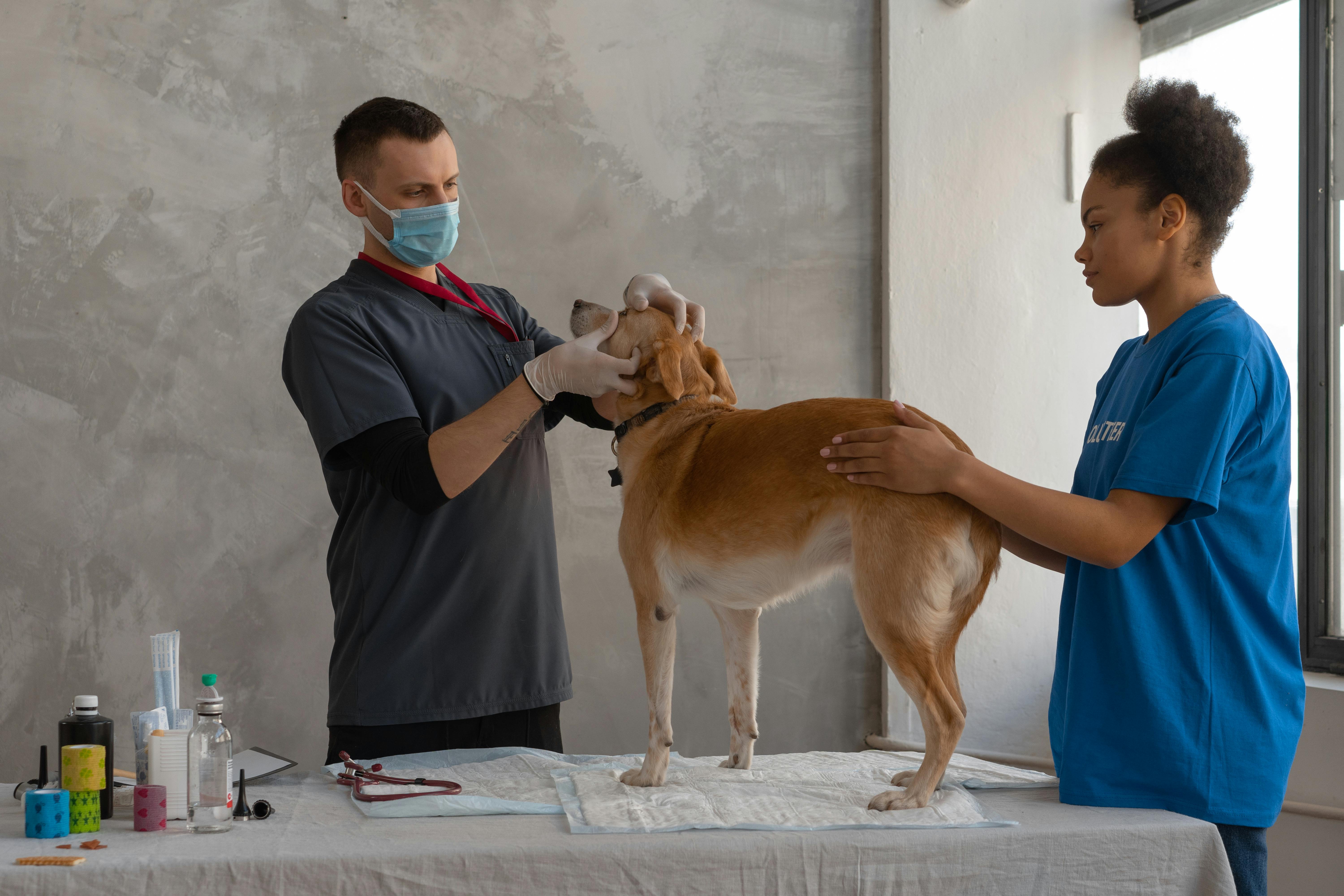
When your pet develops a skin issue, prompt veterinary care is essential for relief and recovery. At Graceful Paws Pet Clinic, our veterinarians begin with a thorough skin examination to identify the root cause—whether it’s an allergy, infection, parasite, or a combination of factors. Diagnostic testing may include skin scrapings, cytology, or allergy testing. For pets with persistent or recurrent symptoms, allergy testing services can help pinpoint environmental or food triggers.
Treatment approaches depend on the diagnosis. For bacterial or fungal infections, topical or oral medications are often prescribed to clear the underlying cause and relieve discomfort. If fleas or mites are detected, our team will recommend veterinarian-approved parasite control products to eliminate the infestation. For pets with allergies, management may involve antihistamines, prescription diets, or advanced therapies such as Phovia therapy for skin conditions that can speed up healing and reduce inflammation. Chronic skin issues often benefit from regular veterinary dermatology services, which may include medicated baths, topical treatments, and ongoing monitoring to keep your pet comfortable year-round.
Throughout every step, our veterinary team in Winter Garden is dedicated to compassionate, individualized care—ensuring your pet’s treatment plan fits their unique needs and lifestyle.
Preventing Skin Problems: Home Care and Healthy Habits
While some skin issues are unavoidable, many can be prevented with proactive care at home. Routine grooming is one of the best defenses against summer skin problems. Brushing your dog or cat regularly removes loose fur, prevents matting, and allows you to spot early signs of irritation or parasites. Bathing your pet with a mild, veterinarian-recommended shampoo can help rinse away allergens and reduce odor, but avoid over-bathing, which can strip the skin of natural oils. Always dry your pet thoroughly after baths or swimming to prevent moisture buildup, especially in skin folds or between the toes.
Keeping your pet’s environment clean is equally important. Vacuum your home frequently, wash bedding in hot water, and minimize exposure to grassy or wooded areas during peak pollen or flea season. Using year-round flea and tick prevention products is crucial in Florida, as parasites can thrive even in winter. For pets with known allergies, work with your veterinarian to identify triggers and discuss options like hypoallergenic diets or supplements that support skin health.
Regular wellness exams are your first line of defense. During these visits, our veterinarians can catch early changes in skin or coat condition, recommend preventive measures tailored to your pet’s needs, and update parasite prevention protocols. If your pet has a history of skin problems, semi-annual exams are especially valuable for staying ahead of seasonal flare-ups.
When to Schedule a Veterinary Visit for Your Pet’s Skin
Deciding when a skin problem requires professional care can be challenging. As a rule, any skin irritation that does not improve after a day or two of home care—or seems to be getting worse—warrants a call to your veterinarian. Seek prompt attention if your pet’s skin is red, swollen, or oozing; if they are excessively scratching, licking, or biting at a spot; or if they develop a sudden loss of hair or a foul odor. Pets who seem lethargic, refuse food, or develop additional symptoms like vomiting or diarrhea should also be evaluated right away, as these can indicate a more serious underlying issue.
At Graceful Paws Pet Clinic, we encourage pet owners to reach out as soon as they notice changes in their pet’s skin or behavior. Our veterinary professionals can assess the situation, recommend next steps, and provide relief before the problem escalates. If you need to schedule a sick appointment for your pet, our team is ready to help with compassionate care.
Keeping Your Pet Comfortable All Summer: Partnering with Your Winter Garden Veterinarian
Florida summers can be tough on your pet’s skin, but with the right preventive steps and veterinary partnership, you can help your dog or cat stay healthy and comfortable. Recognizing early signs of trouble, maintaining good grooming habits, and seeking timely professional care are the keys to preventing summer skin problems before they become severe. Our team at Graceful Paws Pet Clinic is proud to support pet families in Winter Garden, FL and surrounding communities with advanced diagnostics, dermatology expertise, and ongoing wellness care.
If you’re searching for a veterinarian near me who truly understands the unique challenges of Florida’s climate, we invite you to schedule an appointment with our veterinary team. Whether your cat is battling itchy skin or your dog needs a comprehensive exam before the summer heat, Graceful Paws is here to help. To book your visit or discuss your pet’s skin health, call us at (407) 554-2022, or explore our website to learn more about our pet dermatology services. Together, let’s give your pet a happier, itch-free summer.
This article is intended for informational purposes only and does not replace the advice of your veterinarian. Always consult with your veterinary team if you have concerns about your pet’s health.