Rainy Day Pet Care: Keeping Dogs and Cats Healthy in July
Rainy Day Pet Care: Keeping Dogs and Cats Healthy in July
Florida summers bring dramatic thunderstorms, steamy humidity, and plenty of puddles—especially in July, the region’s wettest month. For pet owners in Winter Garden and surrounding communities, this means extra care is needed to keep dogs and cats comfortable, healthy, and protected from seasonal hazards. At Graceful Paws Pet Clinic, located at 1218 Winter Garden Vineland Rd, Ste 116, Winter Garden, FL 34787, our team of veterinarians sees firsthand how wet, muggy weather can create unique health challenges for pets. From muddy paws to itchy skin and keeping your companion safe during sudden downpours, we are here to help you navigate July’s rainy days with confidence.
In this blog, we’ll explain how Florida’s summer storms and humidity can impact your pet’s health, what signs to watch for, and how you can prevent common seasonal issues. You’ll learn practical tips for managing your pet’s skin and coat, keeping paws clean, and ensuring comfort as the temperatures and rainfall rise. Our goal is to help your dog or cat thrive all summer long with guidance rooted in veterinary expertise and local experience.
Recognizing Rainy Season Risks for Dogs and Cats
It’s easy to overlook the effects of weather on pets, but July’s rain and humidity can bring out a host of problems. Warning signs that your pet may be struggling with wet weather include persistent licking or chewing at their paws, red or inflamed skin, a musty odor, or new areas of hair loss. Dogs may start limping or hesitate to walk if their paw pads are irritated by constant exposure to damp surfaces. Cats, especially those who venture outdoors, can develop matted fur or skin irritation from moisture and mud.
Other signs to watch for are hotspots—areas of moist, inflamed skin that may ooze or scab—along with ear scratching or head shaking, which can signal ear infections made worse by humidity. Pet owners sometimes notice their dog or cat seems restless, uncomfortable, or is hiding more than usual. These subtle changes can be your first clue that your companion needs some extra attention during stormy weather.
Why July’s Humidity and Rain Matter for Your Pet’s Health
Florida’s rainy season doesn’t just make daily walks soggy—it creates an environment where bacteria and fungi thrive. When your pet’s skin and paws stay damp, the natural barrier that keeps out pathogens can break down, increasing the risk for infections. Dogs who frequently walk through wet grass or muddy parks are more likely to pick up irritants or allergens, leading to itchy paws and skin flare-ups.
For cats, humidity can make it difficult for their coats to stay clean and dry, especially if they get caught in the rain or like to explore damp patios and gardens. Moisture trapped under long fur can cause mats, which in turn can irritate the skin and harbor bacteria. Additionally, indoor cats are not immune to increased humidity; poorly ventilated homes can create muggy conditions that aggravate existing skin sensitivities or allergies.
July’s frequent thunderstorms also bring more puddles and standing water, which can carry parasites or chemicals. Dogs attracted to drinking from outdoor water sources risk upset stomach, while both dogs and cats may pick up environmental allergens that worsen itching and discomfort.
Professional Treatment and Veterinary Care for Summer Skin and Paw Issues
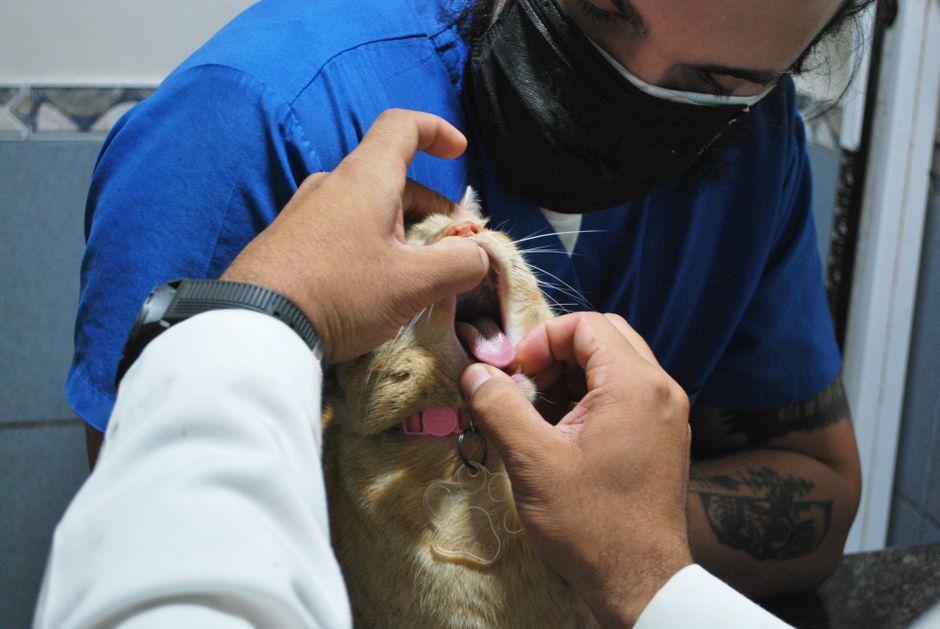
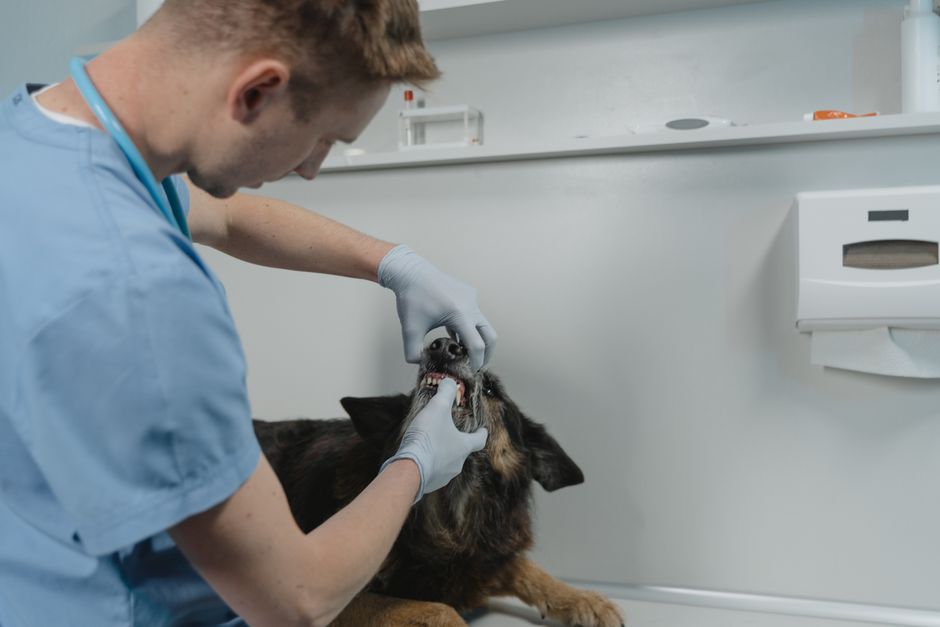
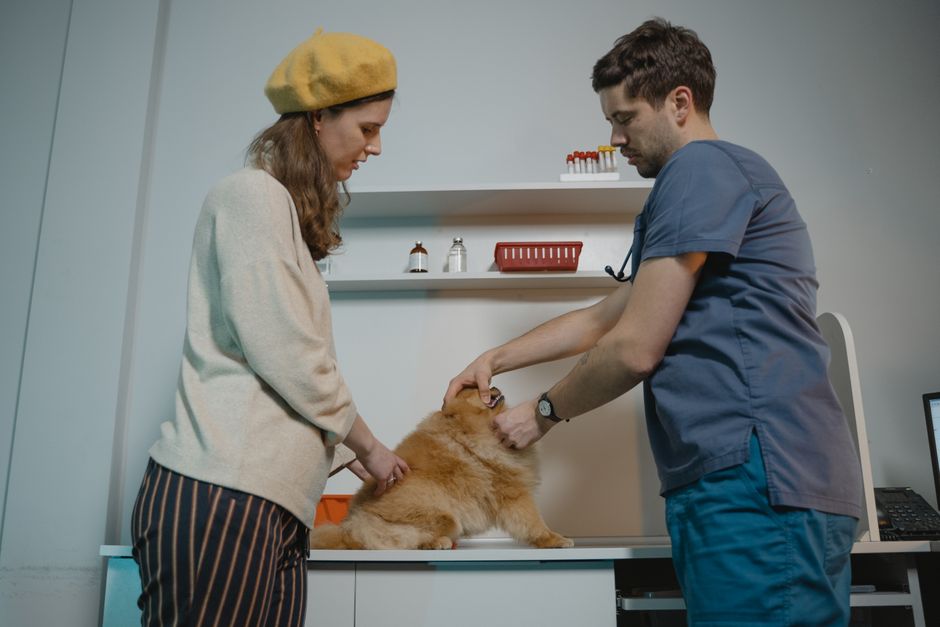
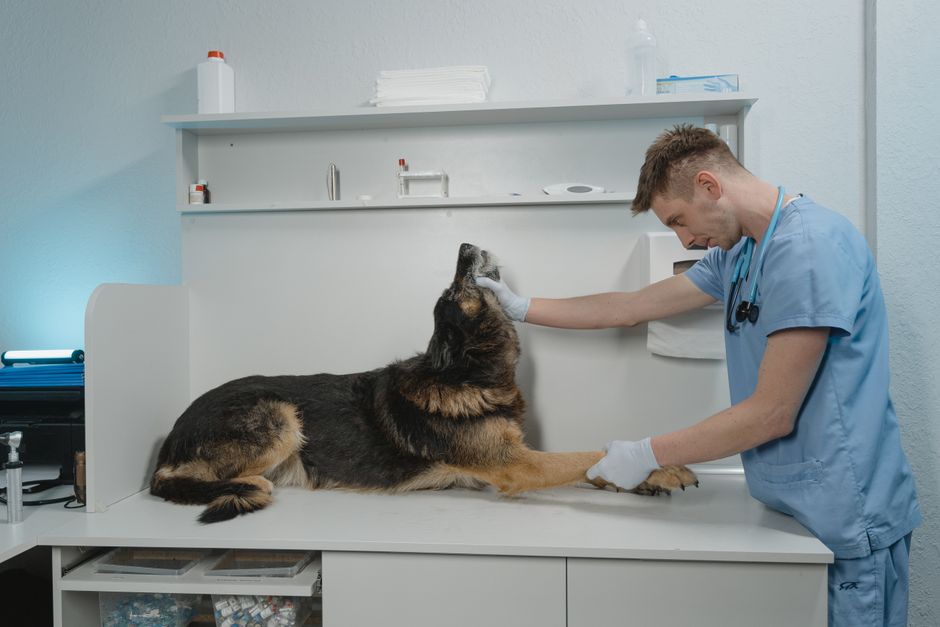
If your pet develops skin irritation, persistent itching, or paw problems during the rainy season, our veterinary team at Graceful Paws Pet Clinic is here to help. During a comprehensive physical exam, we’ll carefully assess your dog or cat’s skin, ears, and paws, looking for signs of infection, allergy, or injury. Diagnostic tools such as skin scrapings, cytology, or allergy testing may be recommended to pinpoint underlying causes.
For pets with significant skin concerns, our dermatology services allow for thorough diagnosis and tailored treatment of skin conditions, including bacterial or fungal infections and allergic dermatitis. If allergies are suspected, we can provide allergy testing to identify triggers and design a management plan specific to your pet’s needs.
Treatment approaches for rainy season issues commonly involve medicated shampoos, topical creams, oral medications for infection or inflammation, and recommendations for at-home care. In some cases, advanced therapies such as laser therapy may help accelerate healing for stubborn skin lesions. Our veterinarians may also guide you on changes to your pet’s routine or environment to minimize future flare-ups.
If your pet is feeling unwell, has a fever, or is showing signs of a more serious illness, we offer sick appointments for prompt, compassionate care. We recognize that early intervention leads to the best outcomes and are always ready to support your pet’s recovery journey.
Preventing Common Rainy Day Pet Problems at Home
Keeping your dog or cat healthy through Florida’s wettest months starts with a few simple, consistent habits. After every walk or outdoor adventure, thoroughly dry your pet’s paws, in between their toes, and any area that may have gotten wet. Using a soft towel or pet-friendly wipes can help remove moisture, mud, and potential irritants before they cause problems. For dogs with long or dense coats, consider more frequent brushing to prevent mats and allow their skin to breathe.
If your cat enjoys outdoor time, supervise them during wet weather and encourage them to stay inside when storms are active. Create cozy, dry resting spots indoors, especially near air vents or dehumidifiers that can help reduce indoor moisture. Regularly clean your pet’s bedding and keep food and water bowls away from damp areas to discourage mold and bacteria.
Routine grooming, including nail trims and ear cleaning, is vital. Trapped moisture in ears can lead to infections, particularly in breeds with floppy ears or dense fur. Monitor your pet’s skin for early signs of redness, bumps, or hair loss, and address these promptly with the guidance of your veterinarian.
Additionally, try to avoid walking your dog through standing water or heavily muddy parks, as these can be sources of bacteria, parasites, or sharp debris. If your dog is prone to paw irritation, talk to your veterinarian about protective booties or barrier balms that can be applied before walks.
When to Schedule a Veterinary Visit for Rainy Season Concerns
While mild skin irritation or muddy paws can often be managed at home, certain signs signal the need for professional care. If your dog or cat develops persistent itching, open sores, foul odors, or if there is any swelling, bleeding, or lameness, it’s time to schedule an appointment. Other red flags include repeated head shaking, ear discharge, or sudden changes in your pet’s behavior, appetite, or energy level.
For pets with chronic allergies, frequent skin infections, or who seem uncomfortable despite your best efforts, a veterinary evaluation is essential. Our veterinarians can help determine if there is an underlying issue such as allergies, infections, or other medical conditions that require targeted treatment. Early and proactive care prevents small problems from becoming more serious during Florida’s rainy, humid summer.
If you notice any of these issues or simply want peace of mind, consider booking a routine wellness examination. Regular check-ups allow us to monitor your pet’s health, address concerns before they escalate, and keep your companion feeling their best all year long.
Helping Your Pet Thrive Through Florida’s Wettest Month
At Graceful Paws Pet Clinic, we understand how important it is for your dog or cat to stay healthy and happy—no matter what the weather brings. July’s rainy days and sticky heat may pose unique challenges, but with a little extra vigilance and support from our veterinary professionals, your pet can enjoy the season in comfort and safety.
If you have questions about your pet’s skin, paws, or summer health, or need advice tailored to your companion’s needs, our team of veterinarians in Winter Garden is just a call away. We invite you to schedule an appointment for a wellness examination or sick visit, and we’re always here to discuss preventive care options that fit your lifestyle.
When searching for a veterinarian near me, choose a clinic that understands the unique concerns of Florida’s climate and puts your pet’s well-being first. To book your visit or speak with our veterinary team, call (407) 554-2022 or stop by our convenient Winter Garden location. We look forward to helping your pets thrive—rain or shine.
Medical Disclaimer: This blog provides general information and is not a substitute for professional veterinary care. If your pet is experiencing a medical emergency or you have concerns about their health, contact your veterinarian promptly.