Recognizing and Managing Fall Pet Allergies in Winter Garden
Recognizing and Managing Fall Pet Allergies in Winter Garden
As the air cools and leaves begin to fall here in Winter Garden, many pet owners start to notice their dogs or cats scratching more than usual or sneezing more frequently. Autumn in Central Florida brings its own set of unique environmental changes, and just like people, our pets can be affected by seasonal allergies. At Graceful Paws Pet Clinic, we understand how frustrating it can be to see your companion uncomfortable or itchy, especially when you want them to enjoy the beautiful Florida fall right alongside you. In this blog, our team of veterinarians will help you recognize the telltale signs of fall pet allergies, explain what causes them in our region, and share practical steps you can take to help your pet feel their best. We will also discuss when it's time to schedule an appointment at our Winter Garden clinic, and highlight the advanced allergy and dermatology services available to your pet right here in the community.
Spotting Fall Allergy Symptoms in Your Dog or Cat
Many pet owners assume that allergies are only a springtime problem, but in Central Florida, autumn brings its own wave of triggers. Recognizing the signs early can make a big difference in your pet’s comfort and long-term health. Key symptoms of fall allergies in dogs and cats include persistent or frequent scratching, licking, or chewing at paws and skin; red, inflamed, or flaky skin; hair loss or thinning fur in certain areas; head shaking or frequent ear infections; watery eyes; sneezing or nasal discharge; and in some cases, gastrointestinal upset such as soft stools or vomiting. For example, you might find your dog constantly licking its paws after a walk, or your cat grooming one patch of fur until it becomes thin or irritated. Unlike fleas, which often cause itching at the base of the tail, environmental allergies tend to affect the face, paws, chest, and abdomen most commonly.
If you notice your pet is scratching at night, rubbing its face on the carpet, or developing hot spots, these can also be signs that allergies are at play. Allergic symptoms can appear suddenly, even in pets who have never had problems before, so it is important to watch for changes in behavior or appearance as autumn progresses.
What Causes Fall Allergies in Winter Garden Pets?
Understanding the root causes of fall allergies helps you minimize your pet’s exposure and provides insight for long-term management. In Winter Garden and surrounding communities, common fall allergens include mold spores released from decaying leaves, pollen from late-blooming plants such as ragweed, and dust mites that flourish as homes are closed up for cooler weather. Additionally, changes in indoor air quality—like running the heater for the first time—can stir up dust and dander, aggravating sensitive pets.
For dogs and cats, allergies can be triggered by inhaling airborne particles, direct skin contact with allergens, or ingesting certain substances. While food allergies can occur year-round, a sudden uptick in itching or sneezing during the fall season often points to environmental or inhalant allergies. Some pets may also develop contact allergies to fertilizers or yard treatments applied during autumn lawn care, so be mindful of what your pet is exposed to outdoors.
How Our Veterinary Team Diagnoses and Treats Pet Allergies
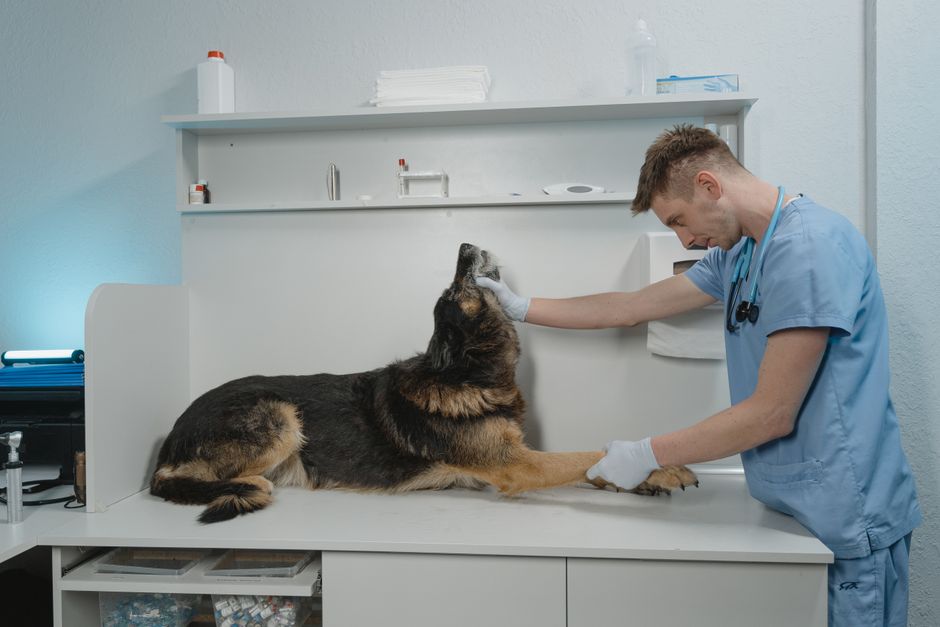
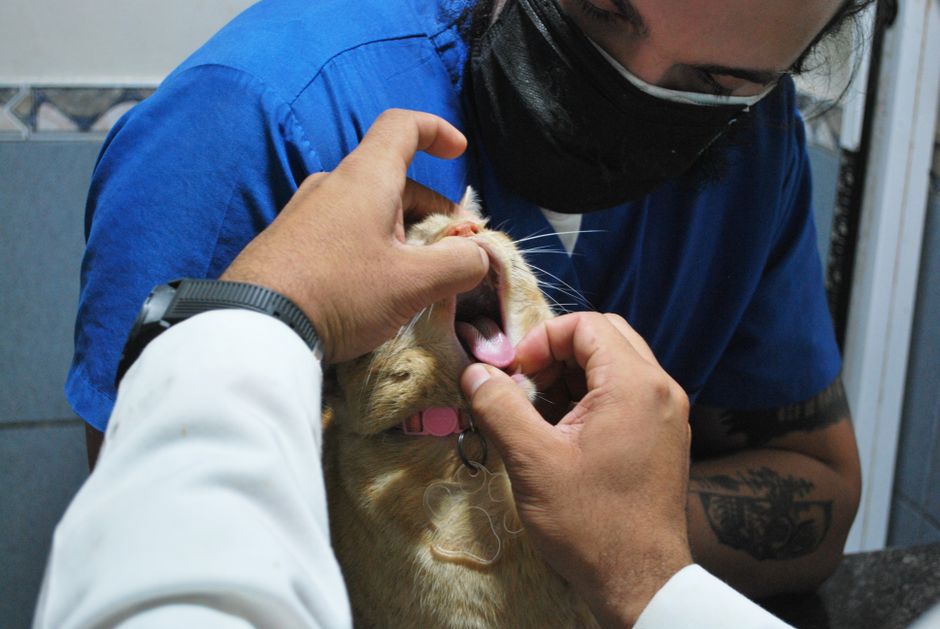
If you suspect your pet is struggling with allergies, a visit to our Winter Garden clinic is the best next step. Our veterinary team will start with a thorough health history and physical examination, focusing on your pet’s skin, ears, and overall condition. We often ask about recent changes in environment, diet, or routines, as well as the specific timing and pattern of your pet’s symptoms.
To pinpoint the exact cause of your pet’s allergies, we may recommend veterinary allergy testing services that can help differentiate between environmental triggers and potential food sensitivities. In some cases, additional diagnostics like skin scrapings or fungal cultures may be used to rule out infections or other skin conditions.
Treatment options for fall allergies are tailored to each pet and may involve a combination of therapies. These can include topical treatments such as medicated shampoos or sprays, oral medications to control itching and inflammation, and prescription diets or supplements that support skin health. If secondary skin or ear infections are present, we will also address these with appropriate medications. For pets with ongoing symptoms, immunotherapy (allergy shots or drops) may be considered to help desensitize your pet to specific allergens over time.
Our team is dedicated to providing compassionate, individualized care, and we will work closely with you to monitor your pet’s response and adjust the treatment plan as needed. For more information on our full range of diagnostic and management options, you can explore our services for diagnosing and managing pet skin conditions.
Managing Allergies at Home: Tips for Pet Owners
While professional veterinary care is essential for diagnosing and treating allergies, there are many practical steps you can take at home to minimize your pet’s discomfort. Regular bathing with a gentle, hypoallergenic shampoo can help remove pollen, mold spores, and dust from your pet’s skin and coat. Wiping your dog’s paws and fur with a damp cloth after walks, especially on high-pollen days, reduces allergen exposure and helps prevent irritation.
Vacuuming carpets, washing pet bedding in hot water, and using air purifiers can improve indoor air quality and reduce dust mites and dander. For cats, keeping litter boxes clean and avoiding scented litters may also help decrease allergy triggers. Some owners find that limiting outdoor activities during peak pollen times or after heavy rains can make a noticeable difference in their pet’s symptoms. If your pet is on a special diet or supplements prescribed by our veterinarians, consistency is important for maintaining skin barrier health.
It’s also wise to keep an eye out for any new products or substances in your home or yard that could be adding to your pet’s allergen load. Yard treatments, scented candles, or new cleaning agents may sometimes trigger reactions in sensitive pets.
When to Schedule a Veterinary Appointment
Allergies can range from mild to severe, and not every case requires immediate veterinary intervention. However, you should schedule an appointment at Graceful Paws Pet Clinic if your pet’s itching is persistent or intense, if you observe open sores, redness, or signs of infection, or if your pet develops ear problems such as head shaking, odor, or discharge. Other reasons to seek veterinary care include changes in appetite, lethargy, or symptoms that are not improving with basic home care. Chronic allergies can lead to secondary bacterial or yeast infections, which may require prescription medication and professional care to resolve.
Prompt veterinary attention is especially important if your pet is licking or chewing so much that it causes bleeding or hair loss, or if you notice any swelling, hives, or difficulty breathing. These can be signs of a serious allergic reaction that needs immediate attention. Our veterinarians are here to help you navigate these situations and will work with you to find the best solutions for your pet’s comfort and wellbeing.
Supporting Your Pet’s Comfort All Season Long
At Graceful Paws Pet Clinic, we know that your dog or cat is an important member of your family, and we are committed to helping you enjoy every season together. Fall allergies are a common concern in Winter Garden, but with the right information and support, you can help your pet feel comfortable and healthy. Our veterinary team provides comprehensive care, from allergy testing to ongoing dermatology management, tailored to the unique needs of every pet we see.
If you are searching for a veterinarian near me who understands the challenges of seasonal allergies in Winter Garden, our team is ready to help. Reach out to us today to schedule an appointment or consultation by calling (407) 554-2022, or visit us at 1218 Winter Garden Vineland Rd, Ste 116, Winter Garden, FL 34787. Together, we can make this autumn a more comfortable and enjoyable time for your pet.
This blog is intended for informational purposes only and should not replace professional veterinary advice. If you have concerns about your pet’s health, please schedule an appointment with our veterinary professionals for a thorough evaluation.