Early Detection of Pet Cancer: Signs Every Owner Should Know

Early Detection of Pet Cancer: Signs Every Owner Should Know
Worrying about cancer in your dog or cat is an experience no pet owner wants to face, yet early detection can make a world of difference for your companion’s health and quality of life. November is Pet Cancer Awareness Month, making it the perfect time to learn how to recognize subtle warning signs and take proactive steps to protect your pet. At Graceful Paws Pet Clinic, we understand the deep bond you share with your pets and are dedicated to supporting you every step of the way. Located at 1218 Winter Garden Vineland Rd, Ste 116, Winter Garden, FL 34787, our team of veterinarians provides comprehensive cancer screening, diagnostics, and treatment for dogs and cats in Winter Garden and surrounding communities. In this article, you’ll discover the common signs of cancer in pets, what causes cancer to develop, how it’s treated, and what you can do at home to support early detection. We’ll also explain when to schedule an appointment and how our veterinary team partners with you for your pet’s best chance at a healthy future.
Recognizing Early Signs of Cancer in Dogs and Cats
Spotting cancer in its earliest stages often leads to better treatment outcomes and improved quality of life for your pet. Many of the initial warning signs can be subtle or easily mistaken for less serious issues, so being vigilant is key. Symptoms that may indicate cancer include the appearance of new lumps or bumps under the skin, persistent sores that do not heal, sudden weight loss without a clear explanation, or a noticeable decrease in appetite. Additionally, you might observe unexplained bleeding or discharge from the mouth, nose, or other body openings. Difficulty breathing, limping that persists, or changes in bathroom habits—such as straining to urinate or defecate—may also suggest a deeper health concern.
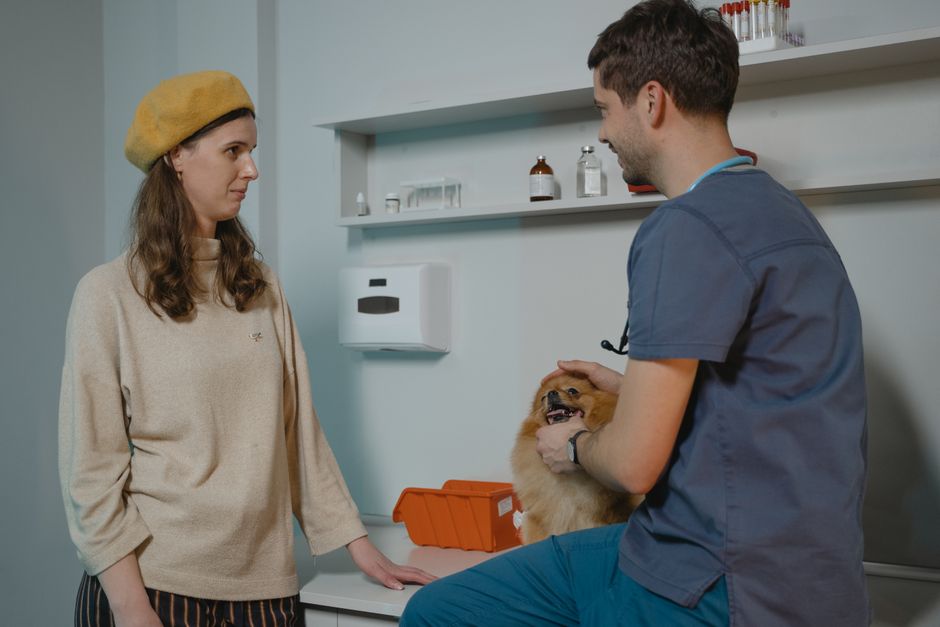
Changes in energy and behavior, such as reluctance to play, increased time spent resting, or sudden aggression, can indicate that your pet is not feeling well. Difficulty eating or swallowing, a foul odor from the mouth, or visible swelling around the jaw or abdomen are other signs that should prompt concern. Because these symptoms can overlap with many other illnesses, it’s important not to dismiss them as normal aging. Scheduling a comprehensive physical exam allows your veterinarian to investigate further and determine if additional testing is needed.
Understanding What Causes Cancer in Pets
Like humans, dogs and cats can develop cancer when abnormal cells begin to grow uncontrollably. The underlying causes of cancer are complex and often involve a combination of genetic, environmental, and lifestyle factors. Certain breeds are more prone to specific types of cancer due to inherited genetic risks. For example, Golden Retrievers and Boxers have a higher incidence of lymphoma and mast cell tumors, while cats exposed to the feline leukemia virus (FeLV) are at risk for certain blood cancers.
Environmental factors also play a role. Exposure to secondhand smoke, certain chemicals used in the home or yard, and even extended sun exposure for light-skinned pets can increase cancer risk. Age is another significant factor; cancer is more common in older pets simply because their cells have had more time to accumulate mutations. Hormonal influences, such as remaining unspayed or unneutered, can elevate the risk of mammary or testicular cancers.
While you cannot control all the risk factors, discussing your pet’s history, breed, and environment with your veterinarian during routine wellness exams can help identify pets at higher risk and guide early screening and preventive care.
How Pet Cancer Is Diagnosed and Treated
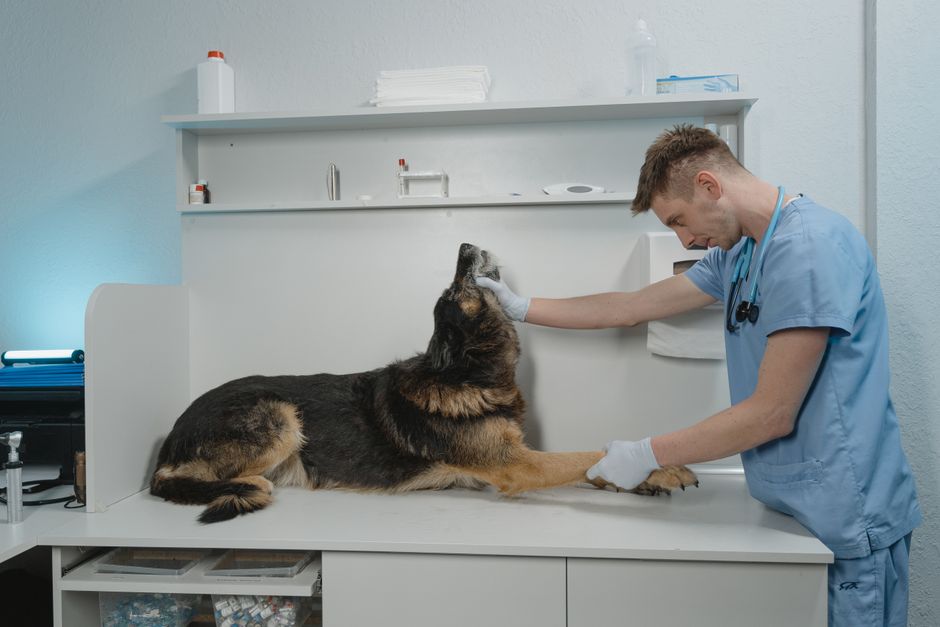
If your pet shows any signs that suggest cancer, prompt diagnosis is essential. The process typically begins with a thorough physical examination by our veterinary team. We may recommend diagnostic tests such as bloodwork, fine needle aspiration of lumps, or imaging studies like digital radiology and veterinary ultrasounds to visualize internal organs and masses. Our diagnostic laboratory allows us to quickly analyze samples and check for cancer markers or other abnormalities.
Once a diagnosis is made, treatment options depend on the type, location, and stage of the cancer, as well as your pet’s overall health. Many localized tumors are best addressed with surgery, which may involve removing a mass or, in some cases, affected organs. Graceful Paws Pet Clinic provides advanced cancer surgery services for pets in Winter Garden to remove tumors and improve outcomes. For some cancers, additional therapies such as chemotherapy or targeted medications may be recommended, either alone or in combination with surgery.
Throughout the treatment process, our veterinarians focus on your pet’s comfort and quality of life. We will discuss all available options with you, including potential side effects, recovery times, and expected outcomes. Whether your pet requires only a minor procedure or a more complex intervention, our goal is to provide compassionate, individualized care every step of the way.
The Importance of Preventive Care and Home Monitoring
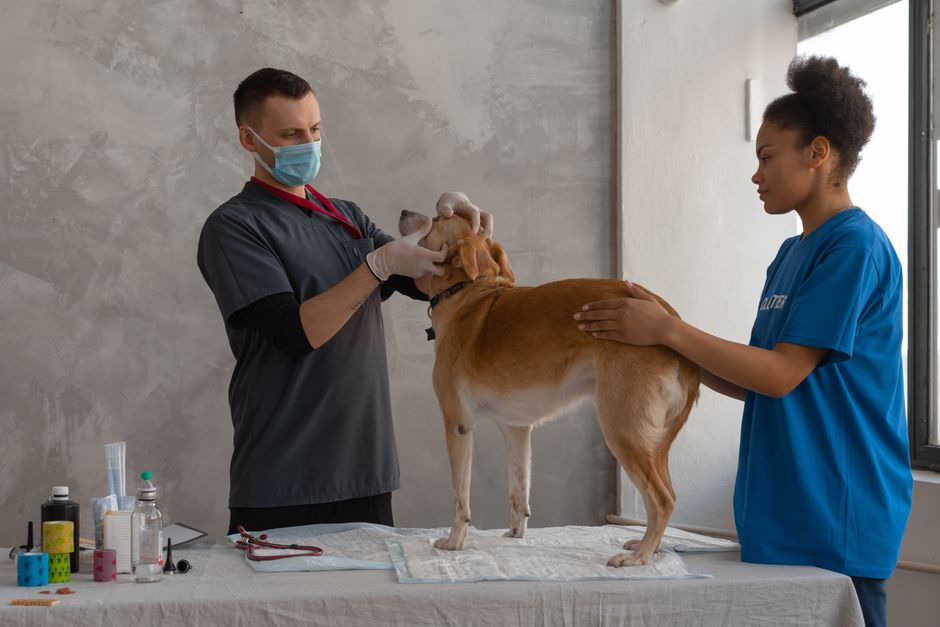
While it is not always possible to prevent cancer, regular veterinary care and attentive home monitoring can make a significant difference. Bringing your dog or cat in for routine wellness visits helps us establish a baseline for your pet’s health and catch small changes before they become serious problems. During these exams, our veterinary professionals perform nose-to-tail evaluations, check for lumps or abnormal tissue, and may recommend screening tests if your pet is at higher risk.
At home, make a habit of gently running your hands over your pet’s body each week. Look for any new lumps, bumps, or sores, paying close attention to areas like the mouth, abdomen, and limbs. Note any changes in appetite, weight, energy, bathroom habits, or behavior. If you notice anything unusual, do not wait and see—early communication with your veterinarian is vital.
Feeding a balanced diet, maintaining a healthy weight, and minimizing exposure to environmental toxins can also contribute to your pet’s overall wellness. For female pets, spaying before the first heat cycle dramatically reduces the risk of mammary cancer, while neutering male pets prevents testicular cancer. Discuss the best preventive strategies for your individual dog or cat during your next comprehensive exam.
When Should You Schedule an Appointment?
Some changes in your pet’s health may seem minor but can be early warning signs of cancer or other serious conditions. You should schedule an appointment if you notice a lump that is growing or changing, a sore that does not heal, unexplained weight loss, ongoing vomiting or diarrhea, or any unusual bleeding or discharge. Sudden lameness, difficulty eating or swallowing, or a persistent cough are other signs that require prompt veterinary attention.
If your pet is suddenly less active, seems uncomfortable, or is not acting like themselves, trust your instincts and reach out to our veterinary team. We understand how stressful it can be to worry about your pet’s health, and we are here to provide expert guidance, answer your questions, and offer the support you need. Our sick appointments ensure your concerns are addressed quickly and thoroughly.
Supporting You and Your Pet at Graceful Paws Pet Clinic
At Graceful Paws Pet Clinic, we believe that early cancer detection saves lives and strengthens the bond you share with your beloved companion. Our veterinarians are committed to providing the highest standard of care, from the first wellness examination to advanced diagnostics and surgical treatments. We serve Winter Garden and surrounding communities with compassion, expertise, and a focus on proactive health care.
If you are searching for a "vet near me" who understands the importance of early cancer detection and personalized preventive plans, our team is ready to help. Schedule a comprehensive pet exam or sick visit today by calling (407) 554-2022 or visiting us at 1218 Winter Garden Vineland Rd, Ste 116, Winter Garden, FL 34787. Together, we can help your dog or cat live a longer, healthier life. If you have any concerns about your pet’s health or need guidance, please do not hesitate to reach out—your pet’s wellbeing is always our top priority.
This article is intended for informational purposes only and should not be used as a substitute for professional veterinary care. If you are concerned about your pet’s health, contact your veterinarian promptly for a thorough evaluation and personalized recommendations.