Preparing for Pet Emergencies in Winter Garden: What Every Owner Needs to Know


Preparing for Pet Emergencies in Winter Garden: What Every Owner Needs to Know
When an emergency strikes your beloved pet, panic can set in quickly. Whether you’re facing a sudden injury, a mysterious illness, or a life-threatening situation, knowing what to do next can make all the difference in your pet’s outcome. At Graceful Paws Pet Clinic in Winter Garden, FL, we understand the deep bond you share with your pets and how overwhelming emergencies can feel. Our veterinary team is here to guide you through the steps you should take when urgent health problems arise and to help you prepare so you can act confidently and quickly when every minute counts.
In this blog, we’ll cover how to recognize urgent symptoms in your dog or cat, what actions you should take before seeking veterinary care, and how to prepare your home for emergencies unique to the Winter Garden area. You’ll also find guidance on when to contact Graceful Paws during our weekday hours, as well as trusted resources for after-hours emergencies. By the end, you’ll have a clear plan to help protect your pet’s health—no matter what life throws your way.
Recognizing a Pet Emergency: Signs Every Owner Should Watch For
Emergencies come in many forms, and pet owners might wonder which symptoms require immediate attention. Some signs of a true emergency are unmistakable, while others can be more subtle but still dangerous if left untreated.
Key symptoms that should never be ignored include difficulty breathing, persistent vomiting or diarrhea (especially if there is blood), sudden collapse or unresponsiveness, and severe bleeding that doesn’t stop with gentle pressure. Other urgent signs are seizures, suspected poisoning, inability to urinate or defecate, bloated or distended abdomen (particularly in deep-chested dogs), and signs of extreme pain such as constant vocalizing, restlessness, or refusal to move.
Additionally, watch for trauma such as being hit by a car, falls from significant heights, or bite wounds from other animals. In cats, sudden inability to use the hind legs, especially in males, can signal a life-threatening blood clot. For both dogs and cats, pale gums, rapid heart rate, and difficulty standing are red flags. If you notice any of these symptoms in your pet, contact our veterinary team right away for guidance on your next steps or to schedule a same-day sick appointment.
Understanding Why Pet Emergencies Happen
Emergencies can affect even the healthiest pets, and understanding the underlying causes can help you recognize risks early. Common reasons for urgent visits include accidental ingestion of toxins or foreign objects, trauma from accidents, sudden allergic reactions, and acute illnesses such as pancreatitis or urinary obstructions.
In Florida’s warm climate, heatstroke is a real concern, especially during the long, humid summers. Dogs left outdoors without shade or adequate water can develop life-threatening heat exhaustion quickly. Similarly, pets in Winter Garden may encounter local hazards like cane toads, which secrete toxins dangerous to both dogs and cats. Other regional risks include snake bites, exposure to fire ants, or contact with certain household plants that are toxic if chewed.
Chronic conditions such as heart disease, diabetes, or kidney problems can also lead to sudden crises. For example, a cat with undiagnosed kidney disease may become acutely ill if they stop eating or drinking, and dogs with heart conditions might collapse due to an abnormal heart rhythm. Recognizing these risks allows you to take preventive steps and act promptly if something goes wrong.
How Our Veterinary Team Treats Emergencies
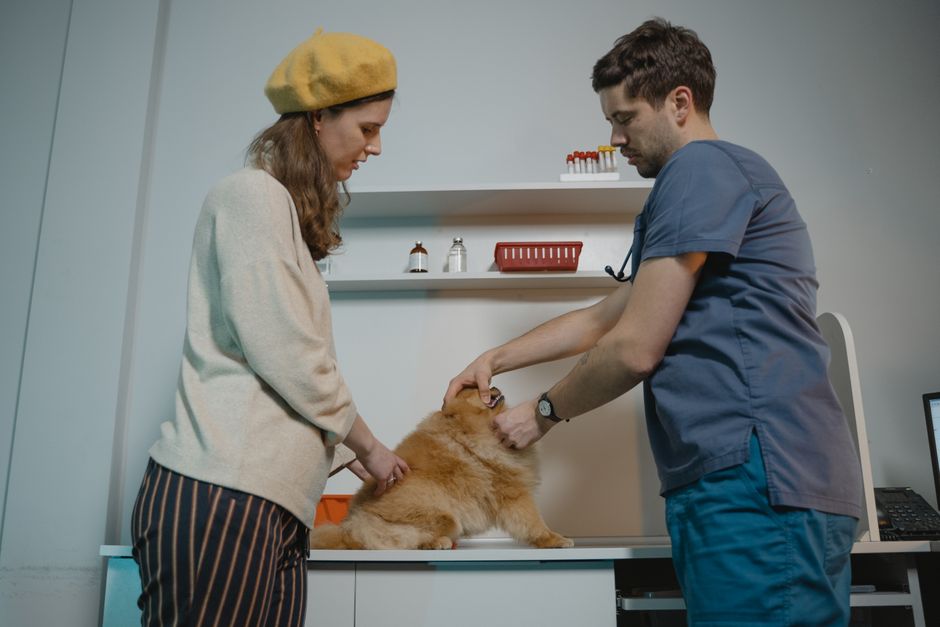
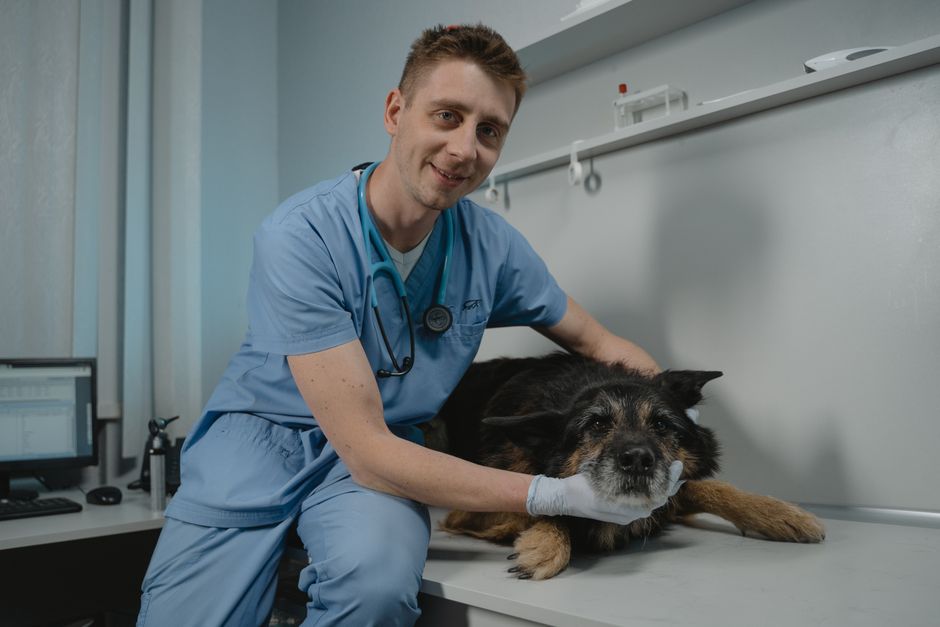
When you arrive at Graceful Paws Pet Clinic with a sick or injured pet, our veterinary professionals quickly assess your pet’s condition to determine the best course of action. Emergency care often begins with stabilizing the patient—this could involve oxygen therapy, intravenous fluids, pain management, or wound treatment. Our practice is equipped with advanced diagnostics such as digital radiology, laboratory testing, and veterinary ultrasounds to help pinpoint the cause of your pet’s distress.
If your pet is having trouble breathing or is in shock, we may use our specialized Oxygen Kennel to provide immediate respiratory support while diagnostics and treatment plans are underway. For pets experiencing severe pain, trauma, or internal injuries, our team can perform emergency surgery when necessary, drawing on years of experience in advanced surgical care.
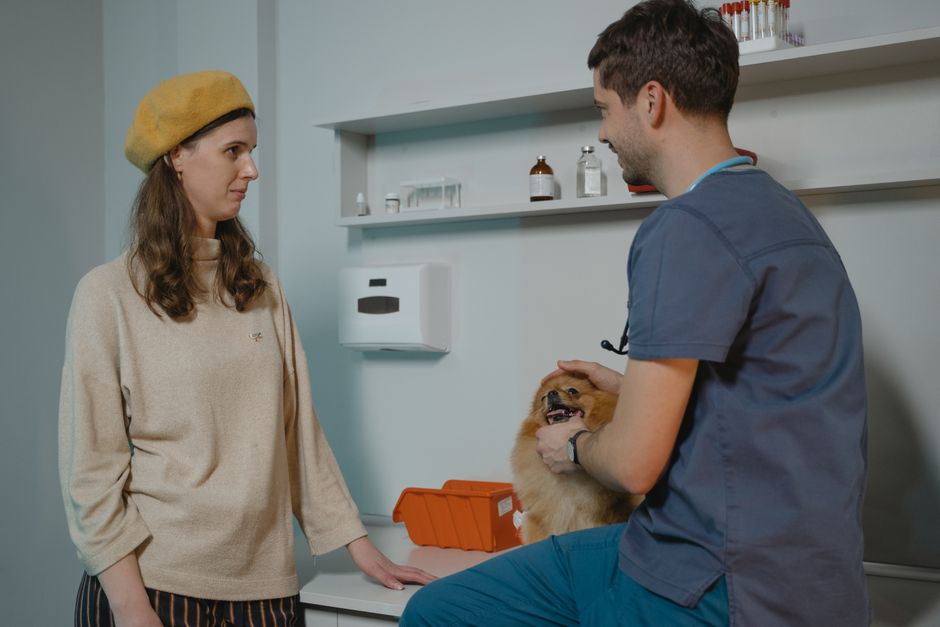
Throughout the emergency visit, communication is key. Our veterinarians will keep you informed about your pet’s status, recommended treatments, and prognosis. In some cases, pets can recover with outpatient care, while others may need to be hospitalized for observation and further support. We’re committed to compassionate, clear guidance at every step, helping you make the best decisions for your pet’s well-being.
Preparing Your Home and Family for Pet Emergencies
Being prepared before an emergency happens can save precious time and protect your pet’s health. Start by creating a pet emergency kit that includes your veterinarian’s contact information, a list of your pet’s medications and medical history, a leash or carrier, clean towels, and basic first aid supplies such as gauze, bandages, and a digital thermometer. It’s also wise to keep hydrogen peroxide on hand (but only use it to induce vomiting if instructed directly by a veterinarian).
Familiarize yourself with the location of the nearest animal emergency hospital for after-hours crises, as Graceful Paws Pet Clinic operates during regular weekday hours. Post the clinic’s phone number and address in a visible spot, and ensure all family members know how to reach us at (407) 554-2022 or find us at 1218 Winter Garden Vineland Rd, Ste 116, Winter Garden, FL 34787.
For local hazards, take specific precautions. In summer, limit outdoor activities to cooler parts of the day, provide plenty of shade and water, and never leave pets in a parked car. Inspect your yard for toxic plants, secure trash cans, and store household chemicals safely out of reach. If your pet is prone to chronic health issues, ask our veterinary team about monitoring devices or dietary changes that could reduce emergency risks.
When Should You Seek Veterinary Care for Your Pet?
It can be tempting to wait and see if your pet’s symptoms improve, but many emergencies worsen quickly without prompt intervention. Call Graceful Paws Pet Clinic immediately if your pet has trouble breathing, is unconscious, has severe bleeding, or is experiencing seizures. For less obvious but still urgent signs—such as persistent vomiting, inability to urinate, or signs of extreme pain—contact us for advice on whether you should come in for a sick appointment the same day.
During our regular hours, our team works hard to accommodate urgent cases and provide clear instructions over the phone on what to do next. If your pet’s crisis occurs after hours or on weekends, reach out to a local emergency animal hospital for immediate care. It’s always better to err on the side of caution when it comes to your pet’s health.
If you’re unsure whether your pet’s situation is an emergency, our veterinary professionals are happy to help you assess the situation. Describe your pet’s symptoms, how quickly they appeared, and any known exposures to toxins or trauma. This information helps us prioritize care and provide the best advice for your unique situation.
The Role of Preventive Care in Reducing Pet Emergencies
While not every emergency can be prevented, regular wellness care gives your pet the best chance of staying healthy and catching problems early. Routine wellness exams allow our veterinary team to monitor your pet’s health, update vaccinations, and discuss any changes in behavior or appetite that could indicate underlying issues.
Preventive care also includes regular dental cleanings, parasite control, and bloodwork, which can uncover hidden health risks before they turn into emergencies. For pets with chronic conditions, ongoing management—such as medication monitoring or dietary adjustments—reduces the risk of sudden health crises. Our veterinarians are always here to answer questions about your pet’s unique needs and help you develop a proactive care plan.
How to Find Trusted Emergency Care in Winter Garden
When emergencies happen outside our regular hours, it’s important to know where to turn for help. In Winter Garden and the surrounding communities, several reputable emergency animal hospitals offer after-hours and weekend care. Keep their contact information handy and know the fastest route from your home.
If you’re searching for a "veterinarian near me" in a crisis, look for clinics with experienced teams, advanced diagnostics, and a reputation for compassionate care. Graceful Paws Pet Clinic is proud to serve as a trusted resource during weekday hours, and we’re happy to recommend local emergency hospitals for times when we are closed.
For more information on preparing for emergencies, you can review trusted resources like the American Veterinary Medical Association’s pet disaster preparedness guide or the ASPCA’s poison control center.
Compassionate Support When You Need It Most
Emergencies are never easy, but having a plan in place can help you respond swiftly and confidently if your pet’s health is at risk. At Graceful Paws Pet Clinic, our veterinary team is committed to supporting you and your pet every step of the way—from preventive care to urgent treatment and recovery. If you have questions or concerns about your pet’s health, or if you need to schedule a same-day sick appointment, don’t hesitate to call us at (407) 554-2022. We’re here to serve pets and families throughout Winter Garden and surrounding communities with the highest standard of care.
When you’re searching for a "vet near me" you can trust, remember that Graceful Paws Pet Clinic is always here to help you prepare for the unexpected. Our compassionate approach, advanced diagnostics, and commitment to your pet’s well-being set us apart. Reach out today or stop by our Winter Garden location whenever you need expert veterinary guidance. Your peace of mind—and your pet’s health—are always our top priorities.