August Pet Skin Problems: Preventing Hot Spots and Allergies
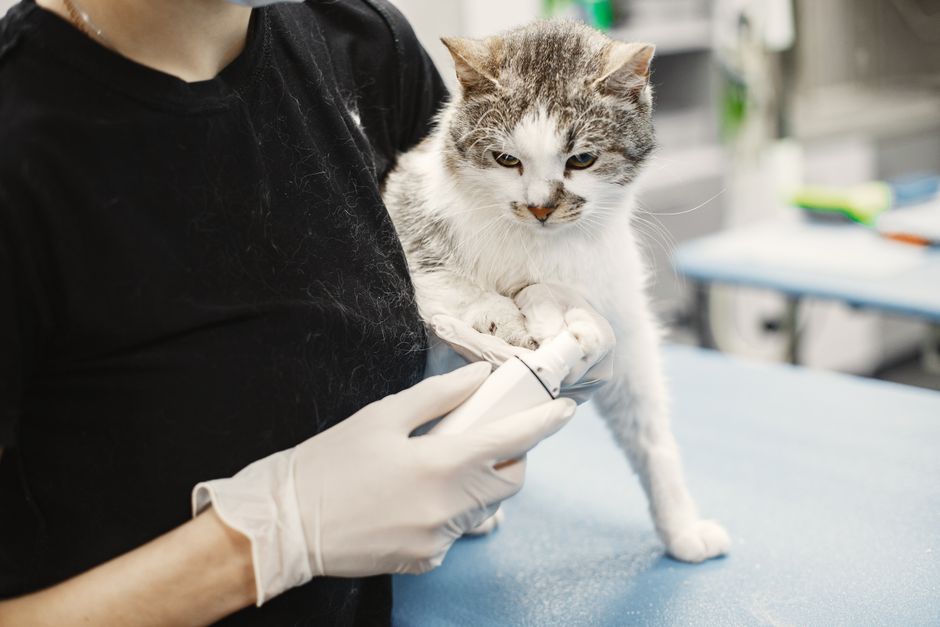
August Pet Skin Problems: Preventing Hot Spots and Allergies
As Florida’s August humidity ramps up, many pet owners in Winter Garden begin to notice their dogs and cats scratching, licking, or chewing at their skin more than usual. If your pet seems uncomfortable or you are spotting red, irritated patches on their coat, you are not alone. The hot, damp weather of summer in Central Florida creates the ideal environment for common skin problems like hot spots and allergies to flare up, leaving pets miserable and owners searching for answers.
At Graceful Paws Pet Clinic, located at 1218 Winter Garden Vineland Rd, Ste 116, Winter Garden, FL 34787, our veterinary team frequently sees dogs and cats struggling with itchy skin during the muggiest months. In this blog, we will help you recognize the signs of hot spots and allergies in your pet, explain why these issues are so common during August, and share effective strategies for prevention and treatment. We will also discuss when it is time to schedule an appointment with our veterinarians and how our advanced dermatology and allergy services can help your pet find relief. If you are struggling with an itchy pet this summer, read on for local, expert advice.
How to Recognize Hot Spots and Allergies in Your Pet
Many pet owners are familiar with the sight of a dog or cat giving a good scratch behind the ear, but when does normal grooming cross the line into a medical concern? Hot spots, also known as acute moist dermatitis, are one of the most common summer skin problems in Florida pets. These painful, inflamed areas can develop quickly—sometimes within hours—especially on breeds with thick coats or pets who spend time outdoors.
Key symptoms of hot spots include sudden onset of red, moist, or oozing skin patches, usually surrounded by matted hair. You might notice your dog or cat licking, biting, or scratching the same area repeatedly. The skin can become raw and may have a foul odor due to secondary bacterial infection. Hot spots often appear on the head, hips, or along the trunk, but can develop anywhere.
Allergic skin disease, including both environmental and food allergies, may look a bit different. Signs to watch for are frequent scratching, chewing at the feet, rubbing the face, recurrent ear infections, and loss of fur in affected areas. Cats with allergies may overgroom, leading to bald patches or scabs, while dogs often develop red, irritated skin and may even cause wounds from excessive licking or biting.
If your pet’s skin looks red, inflamed, or irritated, or if you notice persistent scratching, chewing, or licking, it is time to pay attention. These symptoms can quickly spiral into more serious infections if left untreated.
Why August Brings More Pet Skin Issues in Winter Garden
Florida’s summer climate is a perfect storm for skin problems in pets. The combination of heat, humidity, and frequent rain creates a moist environment that encourages bacteria and yeast to multiply on the skin’s surface. Pets who swim or get caught in summer showers may have damp coats that do not dry fully, increasing the risk of hot spots. Even indoor pets are not immune, as air conditioning and fluctuating temperatures can dry out or sensitize their skin.
Environmental allergens such as mold spores, pollens, and grasses are abundant in late summer. Dogs and cats with underlying sensitivities may develop allergic reactions after contact with these substances, resulting in itchy, inflamed skin. Fleas are also more prevalent during warm, wet months; even a few bites can trigger severe allergic reactions in sensitive pets.
Food allergies, while less influenced by the season, can also contribute to ongoing skin irritation. However, many August flare-ups are linked to the high allergen load and humidity that are unique to this time of the year in Winter Garden and surrounding communities.
Treatment and Management: How Graceful Paws Can Help
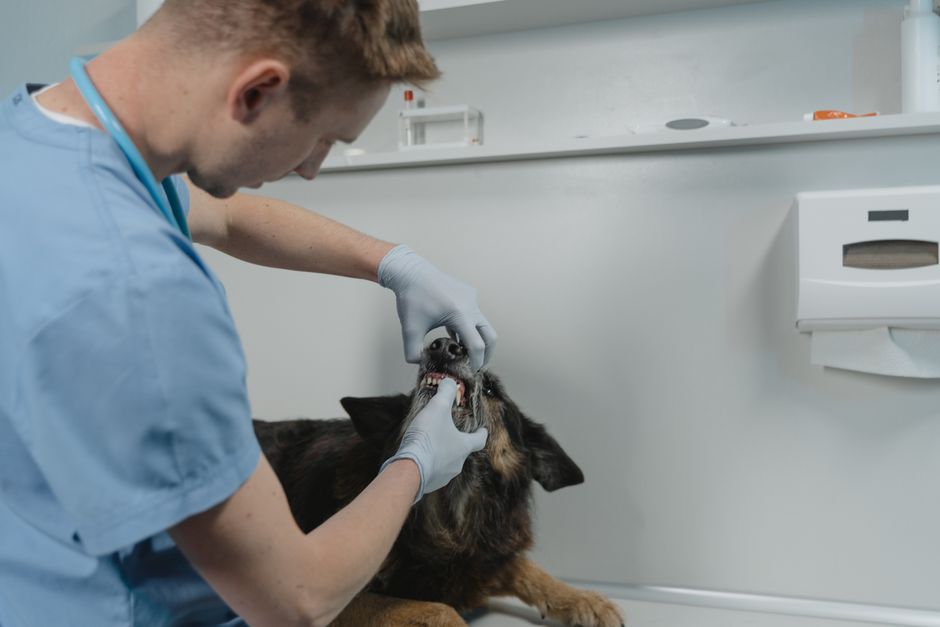
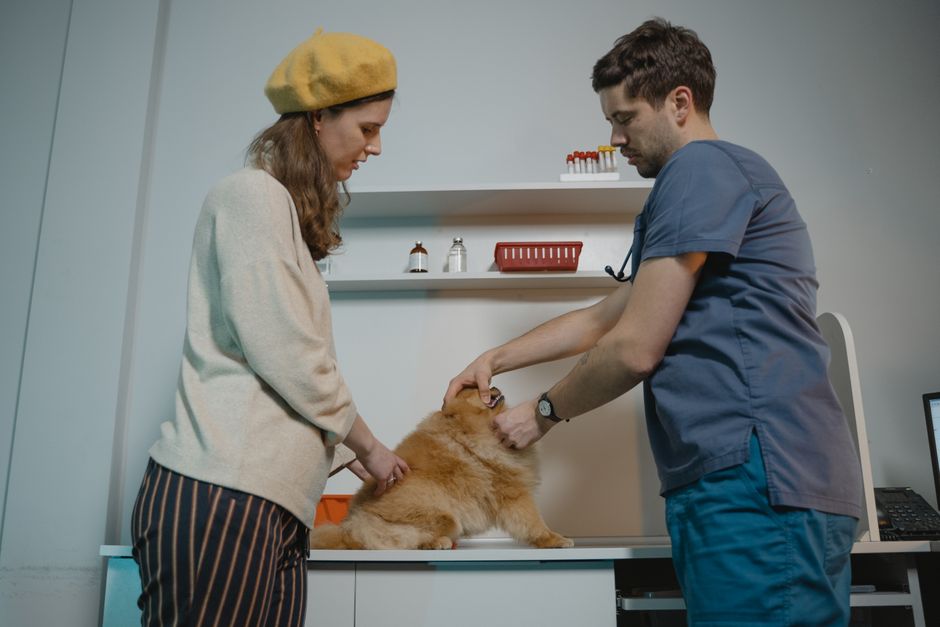
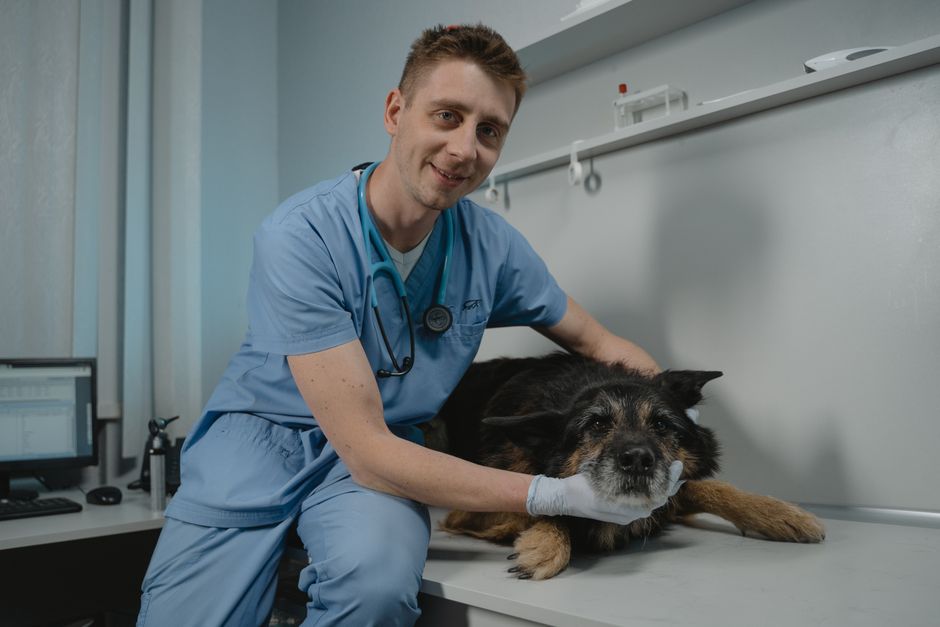
If your pet is struggling with itchy skin, hot spots, or allergies, prompt intervention is the key to comfort and healing. At Graceful Paws Pet Clinic, our veterinarians start by performing a thorough skin examination and discussing your pet’s history. Diagnostic testing may include skin scrapings, cytology, or allergy testing to pinpoint the underlying cause.
Treatment approaches for hot spots typically involve clipping away the surrounding hair, gently cleaning the area, and applying topical medications to control infection and inflammation. In some cases, oral antibiotics or anti-inflammatory medications may be prescribed. Our veterinary team may also recommend an Elizabethan collar to prevent further self-trauma while the skin heals.
Allergic skin disease can be more complex to manage. Our clinic offers allergy testing and management services to help identify your pet’s specific triggers. Depending on your pet’s diagnosis, we may recommend a combination of therapies, such as prescription diets, medicated shampoos, antihistamines, or advanced options like immunotherapy. For pets with significant skin inflammation or slow-healing wounds, innovative modalities such as Phovia Therapy and laser therapy are available to speed recovery and reduce discomfort.
Our goal is always to provide a comprehensive treatment plan tailored to your pet’s needs while supporting you every step of the way.
Preventing Summer Skin Flares: Tips for Pet Owners
While not every skin problem is avoidable, there are several steps you can take at home to reduce your pet’s risk of developing hot spots and allergies during the summer.
Regular grooming is essential for keeping your pet’s coat clean and free of mats, which can trap moisture and bacteria. After your dog swims or gets wet, dry their coat thoroughly to prevent dampness from lingering on the skin. For cats, monitor grooming habits and check regularly for signs of overgrooming or bald spots.
Flea prevention is crucial, especially during peak season. Use a veterinarian-recommended flea control product year-round and check your pet’s skin frequently for signs of fleas or flea dirt.
Bathing your pet with a gentle, hypoallergenic shampoo can help remove allergens and soothe irritated skin. However, overbathing may strip natural oils, so always ask our veterinary team for recommendations specific to your dog or cat.
For pets with known allergies, minimizing exposure to triggers is key. Wipe your pet’s paws and belly after walks to remove pollen, keep windows closed when environmental allergens are high, and consider using air purifiers indoors.
A nutritious, balanced diet supports healthy skin and coat. If your pet has a history of food sensitivities, talk to our veterinarians about whether a hypoallergenic diet or food trial could help.
Finally, schedule regular wellness examinations to catch skin issues early and ensure your pet’s preventive care is up to date.
When to Schedule a Veterinary Appointment
While mild itchiness or minor skin irritation may resolve with simple home care, certain situations require prompt veterinary attention. If you notice rapidly developing hot spots, open wounds, or areas of oozing or smelly skin, it is time to seek professional care. Persistent scratching, hair loss, frequent ear infections, or signs of pain and discomfort should also prompt a visit to the clinic.
Some pets with allergies may develop secondary skin infections that require prescription treatment. Delaying care can lead to worsening symptoms and longer recovery times, so do not hesitate to contact us if you are concerned.
At Graceful Paws Pet Clinic, our compassionate veterinary team is here to help pets and their owners in Winter Garden and surrounding communities navigate the challenges of summer skin problems. If you are unsure whether your pet’s symptoms warrant a visit, our team is always happy to provide guidance over the phone.
Supporting Your Pet’s Skin Health All Year Long
August can be a challenging month for pets in Florida, but with the right knowledge and proactive care, you can help your dog or cat stay comfortable and itch-free. Recognizing the early signs of skin problems, understanding the unique climate risks, and working closely with your veterinarian make all the difference in your pet’s comfort and wellbeing.
If you are searching for a "vet near me" who truly understands the skin health needs of dogs and cats in Winter Garden, the team at Graceful Paws Pet Clinic is ready to help. We invite you to schedule an appointment for a comprehensive skin evaluation or discuss your concerns with our veterinary professionals. Our dermatology services and advanced treatment options are designed to help every pet feel their best.
To book an appointment, call us at (407) 554-2022 or visit our convenient location at 1218 Winter Garden Vineland Rd, Ste 116, Winter Garden, FL 34787. Our dedicated veterinary team looks forward to partnering with you to keep your pet healthy and happy throughout every season.
If you have concerns about your pet’s skin or overall health, always consult your veterinarian for an accurate diagnosis and treatment plan. The information in this blog is intended for educational purposes only and should not replace professional veterinary care.